

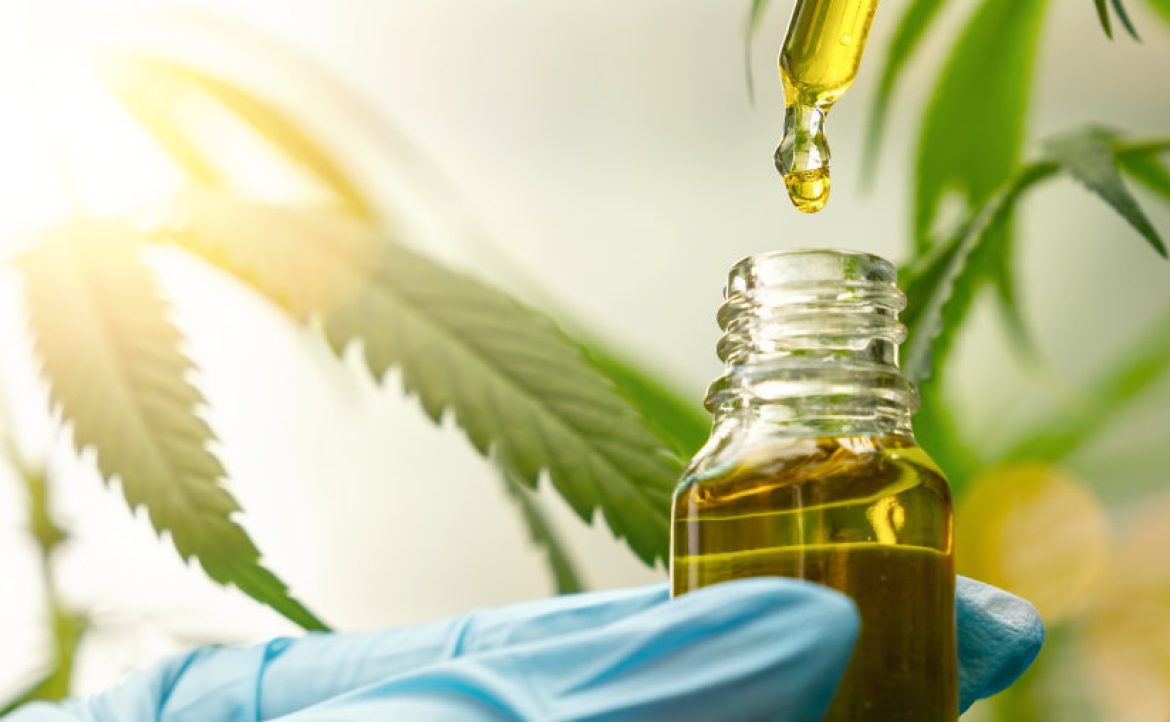
Cannabis THC vs Terpenes Cannabis is a complex plant that contains a wide range of compounds, including cannabinoids and terpenes. While THC (tetrahydrocannabinol) is perhaps the most well-known compound in cannabis due to its psychoactive effects, terpenes are more important in terms of the plant’s therapeutic properties. In this article, we will explore the importance of terpenes vs. THC in cannabis. What Are Terpenes? Terpenes are aromatic compounds that give cannabis its distinctive flavor and aroma. They are found in a wide range of plants, including cannabis, and are responsible for many of the plant’s therapeutic properties. There are over 100 different terpenes found in cannabis, each with its own unique profile and benefits. The Importance of Terpenes While THC is the most well-known compound in cannabis, it is not the only one responsible for the plant’s therapeutic effects. Terpenes play an equally important role in the plant’s therapeutic properties. Terpenes work in synergy with cannabinoids like THC to produce the entourage effect, which is the combined effect of all the compounds in cannabis working together. Terpenes have a wide range of therapeutic properties, including anti-inflammatory, analgesic, and anxiolytic effects. They can also help to enhance the absorption of cannabinoids like THC by improving their bioavailability. Terpenes also play a role in determining the effects of different strains of cannabis. For example, strains high in the terpene myrcene are known for their sedative effects, while strains high in limonene are known for their uplifting and energizing effects. THC vs. Terpenes While THC is an important compound in cannabis, it is not the only one responsible for the plant’s therapeutic effects. In fact, some strains of cannabis that are high in THC but low in terpenes may not produce the desired effects. This is because terpenes work in synergy with cannabinoids like THC to produce the entourage effect, which is essential for maximizing the therapeutic potential of cannabis. Furthermore, terpenes can have therapeutic effects on their own, even in the absence of THC. For example, the terpene linalool has been shown to have anti-anxiety and sedative effects, while the terpene pinene has been shown to have anti-inflammatory and bronchodilatory effects. Conclusion While THC is an important compound in cannabis, it is not the only one responsible for the plant’s therapeutic effects. Terpenes play a more important role in the plant’s therapeutic properties and can have a wide range of therapeutic effects on their own, even in the absence of THC. When choosing a strain of cannabis, it is important to consider both the THC and terpene profiles to ensure that you are getting the desired effects. Cannabis THC vs Terpenes Cannabis is a complex plant that contains a wide range of compounds, including cannabinoids and terpenes. While THC (tetrahydrocannabinol) is perhaps the most well-known compound in cannabis due to its psychoactive effects, terpenes are more important in terms of the plant’s therapeutic properties. In this article, we will explore the importance of terpenes vs. THC in cannabis. What Are Terpenes? Terpenes are aromatic compounds that give cannabis its distinctive flavor and aroma. They are found in a wide range of plants, including cannabis, and are responsible for many of the plant’s therapeutic properties. There are over 100 different terpenes found in cannabis, each with its own unique profile and benefits. The Importance of Terpenes While THC is the most well-known compound in cannabis, it is not the only one responsible for the plant’s therapeutic effects. Terpenes play an equally important role in the plant’s therapeutic properties. Terpenes work in synergy with cannabinoids like THC to produce the entourage effect, which is the combined effect of all the compounds in cannabis working together. Terpenes have a wide range of therapeutic properties, including anti-inflammatory, analgesic, and anxiolytic effects. They can also help to enhance the absorption of cannabinoids like THC by improving their bioavailability. Terpenes also play a role in determining the effects of different strains of cannabis. For example, strains high in the terpene myrcene are known for their sedative effects, while strains high in limonene are known for their uplifting and energizing effects. THC vs. Terpenes While THC is an important compound in cannabis, it is not the only one responsible for the plant’s therapeutic effects. In fact, some strains of cannabis that are high in THC but low in terpenes may not produce the desired effects. This is because terpenes work in synergy with cannabinoids like THC to produce the entourage effect, which is essential for maximizing the therapeutic potential of cannabis. Furthermore, terpenes can have therapeutic effects on their own, even in the absence of THC. For example, the terpene linalool has been shown to have anti-anxiety and sedative effects, while the terpene pinene has been shown to have anti-inflammatory and bronchodilatory effects. Conclusion While THC is an important compound in cannabis, it is not the only one responsible for the plant’s therapeutic effects. Terpenes play a more important role in the plant’s therapeutic properties and can have a wide range of therapeutic effects on their own, even in the absence of THC. When choosing a strain of cannabis, it is important to consider both the THC and terpene profiles to ensure that you are getting the desired effects. Cannabis THC vs Terpenes Cannabis is a complex plant that contains a wide range of compounds, including cannabinoids and terpenes. While THC (tetrahydrocannabinol) is perhaps the most well-known compound in cannabis due to its psychoactive effects, terpenes are more important in terms of the plant’s therapeutic properties. In this article, we will explore the importance of terpenes vs. THC in cannabis. What Are Terpenes? Terpenes are aromatic compounds that give cannabis its distinctive flavor and aroma. They are found in a wide range of plants, including cannabis, and are responsible for many of the plant’s therapeutic properties. There are over 100 different terpenes found in cannabis, each with its own unique profile and benefits. The Importance of Terpenes While THC is the most well-known compound in cannabis, it is

The Importance of Terpenes
The Importance of Terpenes When most people think of cannabis, they likely think of THC and CBD, the two most well-known cannabinoids found in the plant. However, there is another group of compounds found in cannabis that is just as important but often overlooked: terpenes. Terpenes are fragrant oils that give cannabis its distinctive aroma and flavor. They are found in the same glands as cannabinoids and are believed to work together with them to produce the various effects associated with different strains of cannabis. There are over 100 different terpenes found in cannabis, each with its unique profile of effects. For example, myrcene, which is also found in hops, has a sedative effect and is believed to be responsible for the “couch-lock” effect associated with some strains of cannabis. Pinene, which is also found in pine trees, has a piney aroma and is believed to have a stimulating effect that can help with focus and alertness. In addition to their effects on the mind and body, terpenes also play a crucial role in the entourage effect, which is the theory that all of the compounds found in cannabis work together synergistically to produce a more significant effect than any one compound on its own. In other words, terpenes work together with cannabinoids to produce a more potent and nuanced effect than either one could produce on its own. Research into terpenes and their effects is still in its early stages, but early studies have shown promising results. For example, one study published in the British Journal of Pharmacology found that a combination of THC and the terpene caryophyllene was more effective at reducing inflammation than THC alone. Another study published in the Journal of Psychopharmacology found that the terpene linalool had an anxiolytic effect, meaning it reduced anxiety. Terpenes are also important from a practical perspective. They are used to help identify different strains of cannabis and to create various products such as essential oils, perfumes, and even food and beverages. In conclusion, while THC and CBD may be the most well-known compounds found in cannabis, terpenes are just as important. They contribute to the distinctive aroma and flavor of different strains of cannabis, and work together with cannabinoids to produce a more potent and nuanced effect. As research into terpenes continues, we may discover even more ways in which they can be used to improve health and well-being. The Importance of Terpenes When most people think of cannabis, they likely think of THC and CBD, the two most well-known cannabinoids found in the plant. However, there is another group of compounds found in cannabis that is just as important but often overlooked: terpenes. Terpenes are fragrant oils that give cannabis its distinctive aroma and flavor. They are found in the same glands as cannabinoids and are believed to work together with them to produce the various effects associated with different strains of cannabis. There are over 100 different terpenes found in cannabis, each with its unique profile of effects. For example, myrcene, which is also found in hops, has a sedative effect and is believed to be responsible for the “couch-lock” effect associated with some strains of cannabis. Pinene, which is also found in pine trees, has a piney aroma and is believed to have a stimulating effect that can help with focus and alertness. In addition to their effects on the mind and body, terpenes also play a crucial role in the entourage effect, which is the theory that all of the compounds found in cannabis work together synergistically to produce a more significant effect than any one compound on its own. In other words, terpenes work together with cannabinoids to produce a more potent and nuanced effect than either one could produce on its own. Research into terpenes and their effects is still in its early stages, but early studies have shown promising results. For example, one study published in the British Journal of Pharmacology found that a combination of THC and the terpene caryophyllene was more effective at reducing inflammation than THC alone. Another study published in the Journal of Psychopharmacology found that the terpene linalool had an anxiolytic effect, meaning it reduced anxiety. Terpenes are also important from a practical perspective. They are used to help identify different strains of cannabis and to create various products such as essential oils, perfumes, and even food and beverages. In conclusion, while THC and CBD may be the most well-known compounds found in cannabis, terpenes are just as important. They contribute to the distinctive aroma and flavor of different strains of cannabis, and work together with cannabinoids to produce a more potent and nuanced effect. As research into terpenes continues, we may discover even more ways in which they can be used to improve health and well-being. The Importance of Terpenes When most people think of cannabis, they likely think of THC and CBD, the two most well-known cannabinoids found in the plant. However, there is another group of compounds found in cannabis that is just as important but often overlooked: terpenes. Terpenes are fragrant oils that give cannabis its distinctive aroma and flavor. They are found in the same glands as cannabinoids and are believed to work together with them to produce the various effects associated with different strains of cannabis. There are over 100 different terpenes found in cannabis, each with its unique profile of effects. For example, myrcene, which is also found in hops, has a sedative effect and is believed to be responsible for the “couch-lock” effect associated with some strains of cannabis. Pinene, which is also found in pine trees, has a piney aroma and is believed to have a stimulating effect that can help with focus and alertness. In addition to their effects on the mind and body, terpenes also play a crucial role in the entourage effect, which is the theory that all of the compounds found in cannabis work together synergistically to produce a more significant effect than
Get Ahead of Your Competition: Our Proven Digital
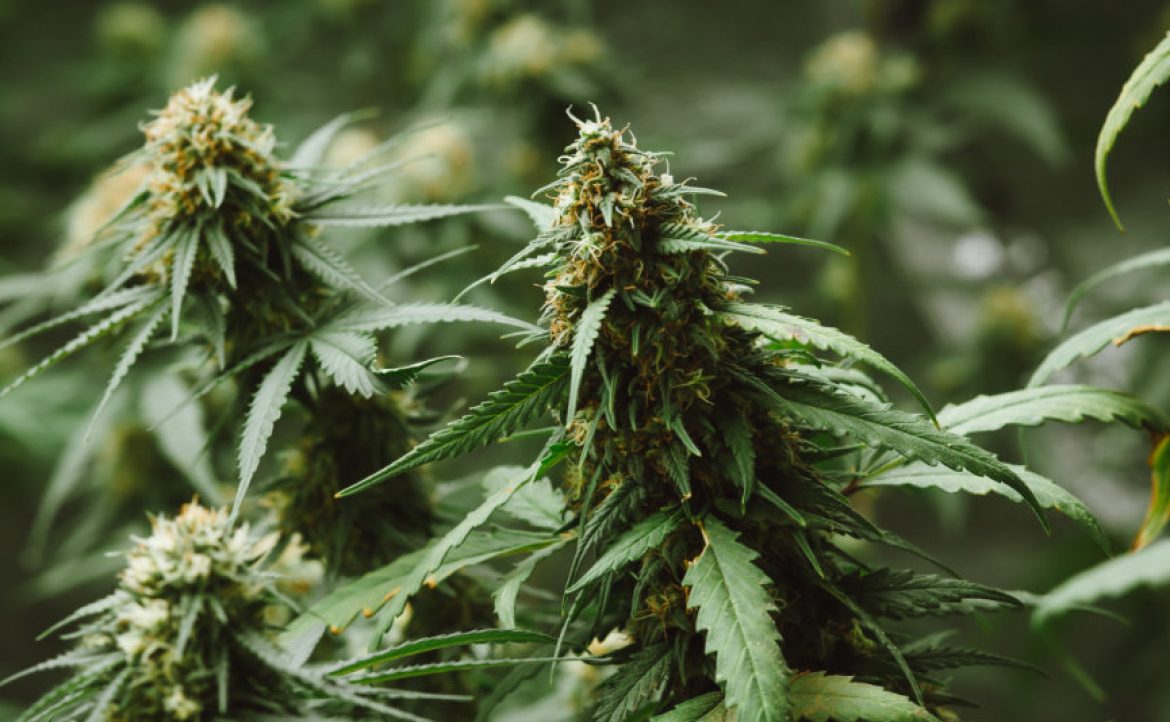
Cannabis contains compounds called cannabinoids, which interact with the body’s endocannabinoid system to produce a range of effects. The endocannabinoid system is a complex network of receptors and neurotransmitters that helps to regulate many different physiological processes, including mood, appetite, pain sensation, and immune function. Understanding how cannabinoids interact with this system can provide insights into the potential medical applications of cannabis. The endocannabinoid system is comprised of three main components: cannabinoid receptors, endocannabinoids, and enzymes. Cannabinoid receptors are located throughout the body, including in the brain, immune system, and peripheral nervous system. There are two main types of cannabinoid receptors: CB1 receptors, which are primarily located in the brain and central nervous system, and CB2 receptors, which are primarily located in the immune system and peripheral tissues. Endocannabinoids are naturally occurring compounds that are produced by the body to interact with the cannabinoid receptors. There are two main endocannabinoids: anandamide and 2-arachidonoylglycerol (2-AG). These compounds are synthesized on-demand in response to various physiological signals and act as signaling molecules to help regulate various processes in the body. When cannabinoids from cannabis are consumed, they interact with the cannabinoid receptors in the body in a similar way to endocannabinoids. This interaction can produce a range of effects, depending on which cannabinoid is consumed and where it interacts with the receptors. For example, THC (tetrahydrocannabinol) is the cannabinoid responsible for the psychoactive effects of cannabis, and it primarily interacts with CB1 receptors in the brain. CBD (cannabidiol), on the other hand, does not produce psychoactive effects and interacts with both CB1 and CB2 receptors. The effects of cannabinoids on the endocannabinoid system can vary depending on the individual and the specific cannabis product consumed. Some of the potential effects of cannabinoids include pain relief, reduced inflammation, improved mood, and increased appetite. Additionally, cannabinoids may have potential medical applications for treating a range of conditions, including chronic pain, epilepsy, and anxiety disorders. In conclusion, the interaction between cannabinoids and the body’s endocannabinoid system is a complex process that is still not fully understood. However, research has shown that cannabinoids can produce a range of effects by interacting with cannabinoid receptors in the body. As our understanding of the endocannabinoid system and the effects of cannabinoids continues to evolve, it is likely that we will uncover new potential medical applications for cannabis. Cannabis contains compounds called cannabinoids, which interact with the body’s endocannabinoid system to produce a range of effects. The endocannabinoid system is a complex network of receptors and neurotransmitters that helps to regulate many different physiological processes, including mood, appetite, pain sensation, and immune function. Understanding how cannabinoids interact with this system can provide insights into the potential medical applications of cannabis. The endocannabinoid system is comprised of three main components: cannabinoid receptors, endocannabinoids, and enzymes. Cannabinoid receptors are located throughout the body, including in the brain, immune system, and peripheral nervous system. There are two main types of cannabinoid receptors: CB1 receptors, which are primarily located in the brain and central nervous system, and CB2 receptors, which are primarily located in the immune system and peripheral tissues. Endocannabinoids are naturally occurring compounds that are produced by the body to interact with the cannabinoid receptors. There are two main endocannabinoids: anandamide and 2-arachidonoylglycerol (2-AG). These compounds are synthesized on-demand in response to various physiological signals and act as signaling molecules to help regulate various processes in the body. When cannabinoids from cannabis are consumed, they interact with the cannabinoid receptors in the body in a similar way to endocannabinoids. This interaction can produce a range of effects, depending on which cannabinoid is consumed and where it interacts with the receptors. For example, THC (tetrahydrocannabinol) is the cannabinoid responsible for the psychoactive effects of cannabis, and it primarily interacts with CB1 receptors in the brain. CBD (cannabidiol), on the other hand, does not produce psychoactive effects and interacts with both CB1 and CB2 receptors. The effects of cannabinoids on the endocannabinoid system can vary depending on the individual and the specific cannabis product consumed. Some of the potential effects of cannabinoids include pain relief, reduced inflammation, improved mood, and increased appetite. Additionally, cannabinoids may have potential medical applications for treating a range of conditions, including chronic pain, epilepsy, and anxiety disorders. In conclusion, the interaction between cannabinoids and the body’s endocannabinoid system is a complex process that is still not fully understood. However, research has shown that cannabinoids can produce a range of effects by interacting with cannabinoid receptors in the body. As our understanding of the endocannabinoid system and the effects of cannabinoids continues to evolve, it is likely that we will uncover new potential medical applications for cannabis. Cannabis contains compounds called cannabinoids, which interact with the body’s endocannabinoid system to produce a range of effects. The endocannabinoid system is a complex network of receptors and neurotransmitters that helps to regulate many different physiological processes, including mood, appetite, pain sensation, and immune function. Understanding how cannabinoids interact with this system can provide insights into the potential medical applications of cannabis. The endocannabinoid system is comprised of three main components: cannabinoid receptors, endocannabinoids, and enzymes. Cannabinoid receptors are located throughout the body, including in the brain, immune system, and peripheral nervous system. There are two main types of cannabinoid receptors: CB1 receptors, which are primarily located in the brain and central nervous system, and CB2 receptors, which are primarily located in the immune system and peripheral tissues. Endocannabinoids are naturally occurring compounds that are produced by the body to interact with the cannabinoid receptors. There are two main endocannabinoids: anandamide and 2-arachidonoylglycerol (2-AG). These compounds are synthesized on-demand in response to various physiological signals and act as signaling molecules to help regulate various processes in the body. When cannabinoids from cannabis are consumed, they interact with the cannabinoid receptors in the body in a similar way to endocannabinoids. This interaction can produce a range of effects, depending on which cannabinoid is consumed and where it interacts with the receptors. For
Medical Cannabis
Cannabis has been used for medicinal purposes for centuries, and recent research has uncovered its potential to treat a range of medical conditions. Despite the legal restrictions on cannabis Puerto rico, its medical applications have become increasingly recognized and are gaining acceptance in the medical community. One of the most well-known medical applications of cannabis is in managing chronic pain. Cannabis contains compounds called cannabinoids, which interact with the body’s endocannabinoid system to provide pain relief. Studies have shown that cannabis can be effective in treating neuropathic pain, fibromyalgia, and arthritis. It can also be used to manage acute pain, such as pain caused by injuries or surgeries. Cannabis can also be effective in managing symptoms related to cancer and cancer treatment. Chemotherapy can cause nausea and vomiting, loss of appetite, and pain, all of which can be managed with cannabis. Additionally, cannabis has been shown to have anti-tumor properties, and some research suggests that it may be effective in treating certain types of cancer. Another potential application of cannabis is in treating neurological disorders such as epilepsy and multiple sclerosis. Research has shown that cannabis can reduce the frequency and severity of seizures in patients with epilepsy. It may also be effective in treating muscle spasticity and other symptoms associated with multiple sclerosis. Cannabis is also being investigated as a potential treatment for mental health conditions such as anxiety, depression, and post-traumatic stress disorder (PTSD). Some studies have shown that cannabis can reduce anxiety and improve mood, although more research is needed to fully understand its effects on mental health. Despite the potential benefits of cannabis for medical applications, there are also risks associated with its use. Cannabis can cause side effects such as dizziness, dry mouth, and impaired coordination, and it can also be addictive in some cases. Additionally, the long-term effects of cannabis use are not yet fully understood, and there is some evidence to suggest that it may have negative effects on brain development in young people. In conclusion, cannabis has a range of potential medical applications, from managing chronic pain to treating cancer and neurological disorders. However, more research is needed to fully understand its effects and risks, and it is important to use cannabis under medical supervision. As the legal and regulatory landscape around cannabis continues to evolve, it is likely that its medical applications will become increasingly recognized and accepted. Cannabis has been used for medicinal purposes for centuries, and recent research has uncovered its potential to treat a range of medical conditions. Despite the legal restrictions on cannabis Puerto rico, its medical applications have become increasingly recognized and are gaining acceptance in the medical community. One of the most well-known medical applications of cannabis is in managing chronic pain. Cannabis contains compounds called cannabinoids, which interact with the body’s endocannabinoid system to provide pain relief. Studies have shown that cannabis can be effective in treating neuropathic pain, fibromyalgia, and arthritis. It can also be used to manage acute pain, such as pain caused by injuries or surgeries. Cannabis can also be effective in managing symptoms related to cancer and cancer treatment. Chemotherapy can cause nausea and vomiting, loss of appetite, and pain, all of which can be managed with cannabis. Additionally, cannabis has been shown to have anti-tumor properties, and some research suggests that it may be effective in treating certain types of cancer. Another potential application of cannabis is in treating neurological disorders such as epilepsy and multiple sclerosis. Research has shown that cannabis can reduce the frequency and severity of seizures in patients with epilepsy. It may also be effective in treating muscle spasticity and other symptoms associated with multiple sclerosis. Cannabis is also being investigated as a potential treatment for mental health conditions such as anxiety, depression, and post-traumatic stress disorder (PTSD). Some studies have shown that cannabis can reduce anxiety and improve mood, although more research is needed to fully understand its effects on mental health. Despite the potential benefits of cannabis for medical applications, there are also risks associated with its use. Cannabis can cause side effects such as dizziness, dry mouth, and impaired coordination, and it can also be addictive in some cases. Additionally, the long-term effects of cannabis use are not yet fully understood, and there is some evidence to suggest that it may have negative effects on brain development in young people. In conclusion, cannabis has a range of potential medical applications, from managing chronic pain to treating cancer and neurological disorders. However, more research is needed to fully understand its effects and risks, and it is important to use cannabis under medical supervision. As the legal and regulatory landscape around cannabis continues to evolve, it is likely that its medical applications will become increasingly recognized and accepted. Cannabis has been used for medicinal purposes for centuries, and recent research has uncovered its potential to treat a range of medical conditions. Despite the legal restrictions on cannabis Puerto rico, its medical applications have become increasingly recognized and are gaining acceptance in the medical community. One of the most well-known medical applications of cannabis is in managing chronic pain. Cannabis contains compounds called cannabinoids, which interact with the body’s endocannabinoid system to provide pain relief. Studies have shown that cannabis can be effective in treating neuropathic pain, fibromyalgia, and arthritis. It can also be used to manage acute pain, such as pain caused by injuries or surgeries. Cannabis can also be effective in managing symptoms related to cancer and cancer treatment. Chemotherapy can cause nausea and vomiting, loss of appetite, and pain, all of which can be managed with cannabis. Additionally, cannabis has been shown to have anti-tumor properties, and some research suggests that it may be effective in treating certain types of cancer. Another potential application of cannabis is in treating neurological disorders such as epilepsy and multiple sclerosis. Research has shown that cannabis can reduce the frequency and severity of seizures in patients with epilepsy. It may also be effective in treating muscle spasticity and
